file-recoveryCOMP

Is EaseUS Safe? An Honest Look at EaseUS Data Recovery (2026)

Is EaseUS safe and legit? Yes - it is an established data recovery vendor, and its software only reads from your drive. The one rule that keeps recovery safe, free vs paid, and the caveats worth knowing.

By Eric Gerard · Editor · Save My Disk3 min readPhoto: Pexels

If you have lost files and are eyeing EaseUS Data Recovery Wizard, the sensible question to ask first is "is EaseUS safe?" The short answer is yes - it is a legitimate, established tool, and it is safe for your data as long as you follow one simple rule. Here is the honest version, including where "safe" actually needs a caveat.

Is EaseUS legit?

Yes. EaseUS is not a fly-by-night app - it is a software company that has been making backup and recovery tools since 2004, and its Data Recovery Wizard is one of the best-known products in the category, reviewed across mainstream tech sites and used by a large user base. Downloaded from the official easeus.com site, the installer is code-signed and clean. The only real "is it a scam?" impression comes from its freemium model, which is normal: the free tier recovers files up to a limit and previews what is recoverable, and you pay only to go further.

Is it safe for your data?

This is the part that matters most, and it is true of every recovery tool, not just EaseUS. Good recovery software works read-only on the drive you are scanning: it looks for traces of your files without writing to that drive. EaseUS does this. The risk is not the software reading your disk - it is you accidentally overwriting the data.

So the golden rule is simple: never install the recovery software onto, or recover files back onto, the same drive you are trying to rescue. Put EaseUS on a different disk, recover to a different disk, and you avoid overwriting the very files you want back.
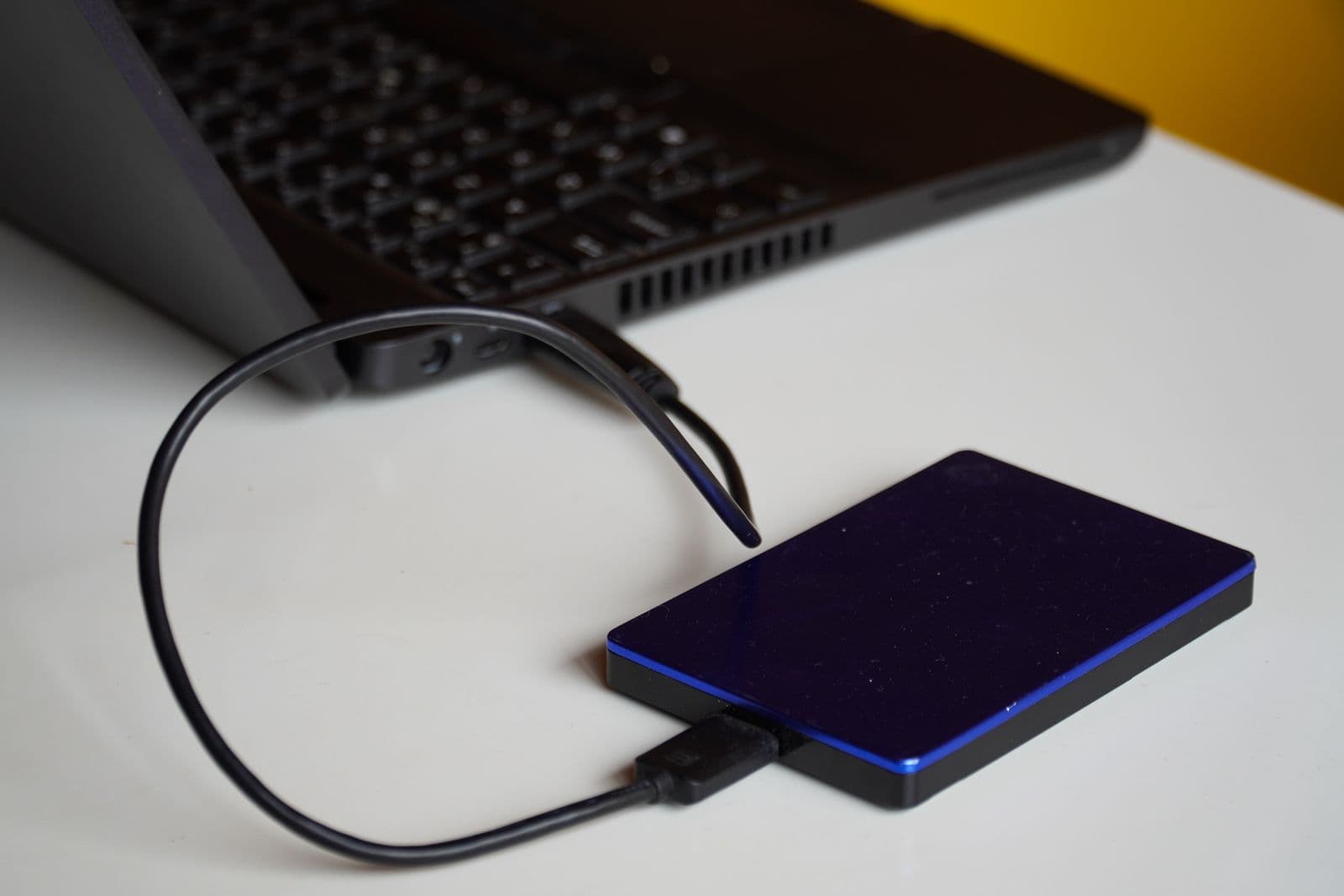
An external hard drive connected to a laptop. Recover to a different drive than the one you are rescuing, so you never overwrite the files you are trying to save.

Free vs paid, honestly

EaseUS is freemium. The free version recovers up to a set amount of data and, crucially, lets you preview the recoverable files before you pay - so you can confirm your files are actually there first. The paid version removes the limit for larger recoveries. A fair, no-risk approach is to run the free scan, check the preview, and only buy if the files you need show up. If you want to compare it against the alternatives, see our best data recovery software roundup and the head-to-head EaseUS vs Disk Drill vs Recuva.

The caveats worth knowing

Being fair means naming the limits:

  • Download only from the official site. Third-party download portals sometimes wrap installers in unwanted extras. easeus.com is the safe source.
  • Recovery is never guaranteed. If your data was overwritten, erased by an SSD's TRIM, or the drive is physically failing (clicking, not detected), no software - EaseUS or otherwise - can promise it back.
  • Act fast and stop using the drive. Every write to the drive lowers your chances. Scan as soon as you notice the loss.

Verdict

EaseUS is safe and legitimate: a long-standing vendor, clean when downloaded from the official site, and read-only on the drive it scans. The genuine risks are the ones common to all recovery - overwriting your own data or expecting miracles from a physically dead drive - and both are managed by installing to a separate drive and running a scan promptly. Start with the free scan to confirm your files are recoverable, and you lose nothing by checking.

Editorial pick
4.5 / 5

Recover your deleted files → EaseUS

Free scan · deleted, formatted & lost files · Windows & Mac

Founded in 200430-day guaranteeFree 2 GB version
See the offer

Frequently asked questions

Is EaseUS safe to use?

Yes. EaseUS is a long-established software company, and its Data Recovery Wizard is one of the most widely used recovery tools. Downloaded from the official easeus.com site, the installer is code-signed and does not carry malware. It is also safe for your data, because recovery software reads from the drive rather than writing to it - it looks for recoverable files without changing the drive you are scanning. The one rule that matters, with any recovery tool, is to install it to a different drive than the one you are recovering.

Is EaseUS legit or a scam?

It is legitimate. EaseUS has been making backup and recovery software since 2004, is reviewed across the major tech outlets, and is used by a large number of home and business users. The 'is it a scam' worry usually comes from the free-to-paid model: the free version genuinely recovers files up to a size limit and lets you preview what is recoverable, and you only pay if you need to go beyond that. That is a normal freemium model, not a scam - just download only from the official site.

Will EaseUS damage my files or drive?

It should not, as long as you follow the golden rule of data recovery: never install or save recovered files onto the same drive you are trying to recover from. EaseUS scans the source drive read-only, but if you install the program onto that drive, or recover files back onto it, you risk overwriting the very data you want. Install EaseUS on a different disk and recover to a different disk, and it is safe.

Is the free version of EaseUS enough?

Sometimes. The free tier recovers up to a set amount of data and shows you a preview of what can be restored before you commit, which is genuinely useful for small jobs or for checking whether your files are recoverable at all. For larger recoveries you need the paid version. A fair approach is to run the free scan first: if it finds and previews your files, you know recovery is possible before spending anything.

Does EaseUS work, and is recovery guaranteed?

It works well for the common cases - deleted files, formatted drives, and lost partitions - which is what most people need. But no recovery tool, EaseUS included, can guarantee success. If the data was already overwritten, if an SSD has erased it via TRIM, or if the drive is physically failing, software cannot bring it back. Running a scan as soon as possible, and stopping use of the drive, gives you the best odds.